
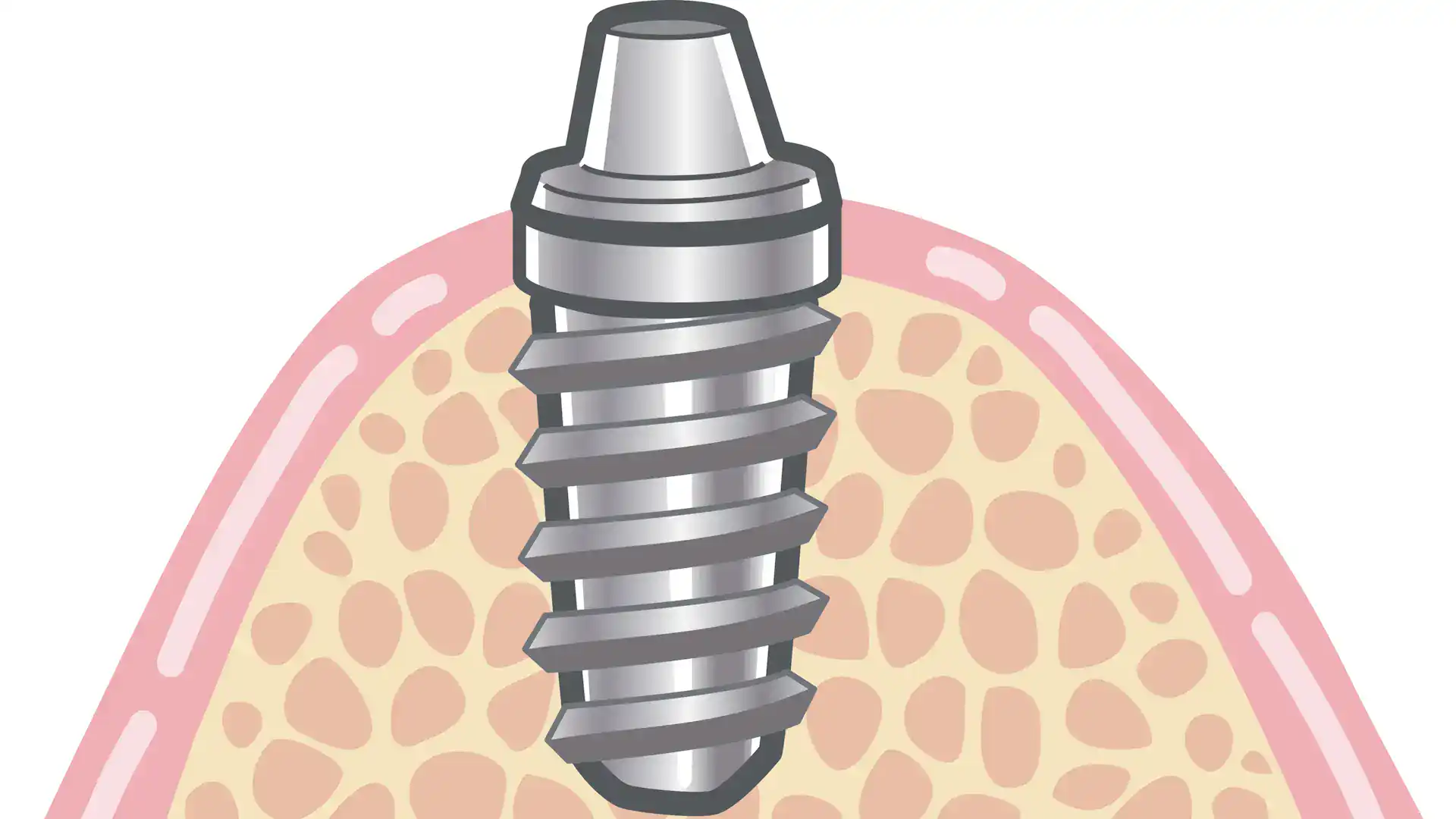
Titanium is widely used in modern medicine and dentistry, particularly in dental implants, orthopedic devices, and prosthetics. It is often described as biocompatible and inert, leading to the assumption that it poses little to no risk to human health. However, emerging research suggests that titanium exposure may not be biologically neutral for all individuals.
As the use of titanium implants has increased globally, so has interest in understanding how titanium particles interact with the human body over time. Evidence now indicates that titanium can be released from implants and may contribute to local and systemic biological effects.
Titanium Exposure and Human Health: What Patients Should Know Primary Keyword: titanium dental implants health Secondary Keywords: metal sensitivity dentistry, implant inflammation Meta Description: Titanium dental implants may release particles that trigger inflammation or immune reactions in sensitive individuals.In dentistry, titanium is most commonly used in dental implants due to its strength, corrosion resistance, and ability to integrate with bone. Through a process known as osseointegration, titanium implants bond directly with surrounding bone tissue, providing long-term stability.
Despite this advantage, implants are exposed to constant mechanical stress, oral bacteria, acidic conditions, and galvanic interactions with other metals. These factors can contribute to the gradual release of titanium particles and ions into surrounding tissues.
Research has shown that titanium particles can be shed from implants during placement, maintenance, and normal wear. These particles may migrate into adjacent gum tissue, lymph nodes, and even distant organs.
Once released, titanium particles can activate immune responses. In susceptible individuals, this may lead to chronic inflammation, implant failure, or systemic symptoms that are often difficult to trace back to a dental source.
Titanium exposure has been associated with inflammatory reactions, oxidative stress, and immune system activation. Macrophages and other immune cells may attempt to engulf titanium particles, triggering the release of inflammatory cytokines.
For some patients, this immune response remains localized. For others, particularly those with autoimmune conditions or metal sensitivities, systemic effects such as fatigue, joint pain, neurological symptoms, or skin reactions have been reported.
Not all individuals respond to titanium exposure in the same way. Genetic factors, immune system status, and prior metal sensitization play a role in determining biological response.
Metal hypersensitivity testing and thorough patient history can help identify individuals who may be at higher risk of adverse reactions. Personalized material selection is an increasingly important consideration in modern dentistry.
While titanium is generally considered safer than many traditional dental metals, it is not completely inert. Galvanic interactions between titanium implants and other metallic restorations can increase corrosion and metal ion release.
These interactions highlight the importance of evaluating the entire oral environment rather than focusing on a single material in isolation.
For most patients, titanium implants function successfully without complications. However, awareness of potential risks is essential for informed decision-making and early identification of problems.
Symptoms such as unexplained inflammation around implants, implant failure without obvious cause, or systemic symptoms following implant placement should prompt further evaluation.
Titanium has transformed restorative dentistry and remains a valuable material for many applications. Nevertheless, the assumption that titanium is universally biocompatible is increasingly being challenged by scientific evidence.
A cautious, individualized approach—grounded in biological dentistry principles—offers the best path forward. By considering patient-specific risk factors and monitoring long-term outcomes, practitioners can maximize benefits while minimizing potential harm associated with titanium exposure.