

Biocompatibility in Dentistry: Why Dental Materials Matter
Dental materials can affect immune, neurological, and systemic health. Learn why biocompatibility matters in dentistry.
Dental materials can affect immune, neurological, and systemic health. Learn why biocompatibility matters in dentistry.

Explore the science behind vitamin C’s role in immune defense, viral illness, and cancer research.
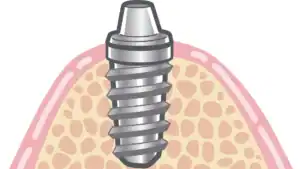
What patients and dentists should know about titanium dental implants, including particle release, immune reactions, inflammation, and metal sensitivity risks.

Biological dentistry focuses on whole-body health, biocompatible materials, and minimally invasive dental care.

Dental amalgam is a major source of mercury pollution through wastewater, cremation, and environmental bioaccumulation.

A deep dive into what the NHANES data reveals about mercury dental amalgam exposure in the U.S., highlighting population-level mercury levels linked to dental fillings and potential health concerns based on nationally representative research.

NHANES data reveals widespread mercury exposure from dental amalgam linked to chronic disease and public health costs.

A detailed look at the European Union’s ban on mercury dental amalgam and whether the U.S. Food and Drug Administration will follow suit, examining regulatory differences, health concerns, environmental impact, and the future of mercury-free dentistry.